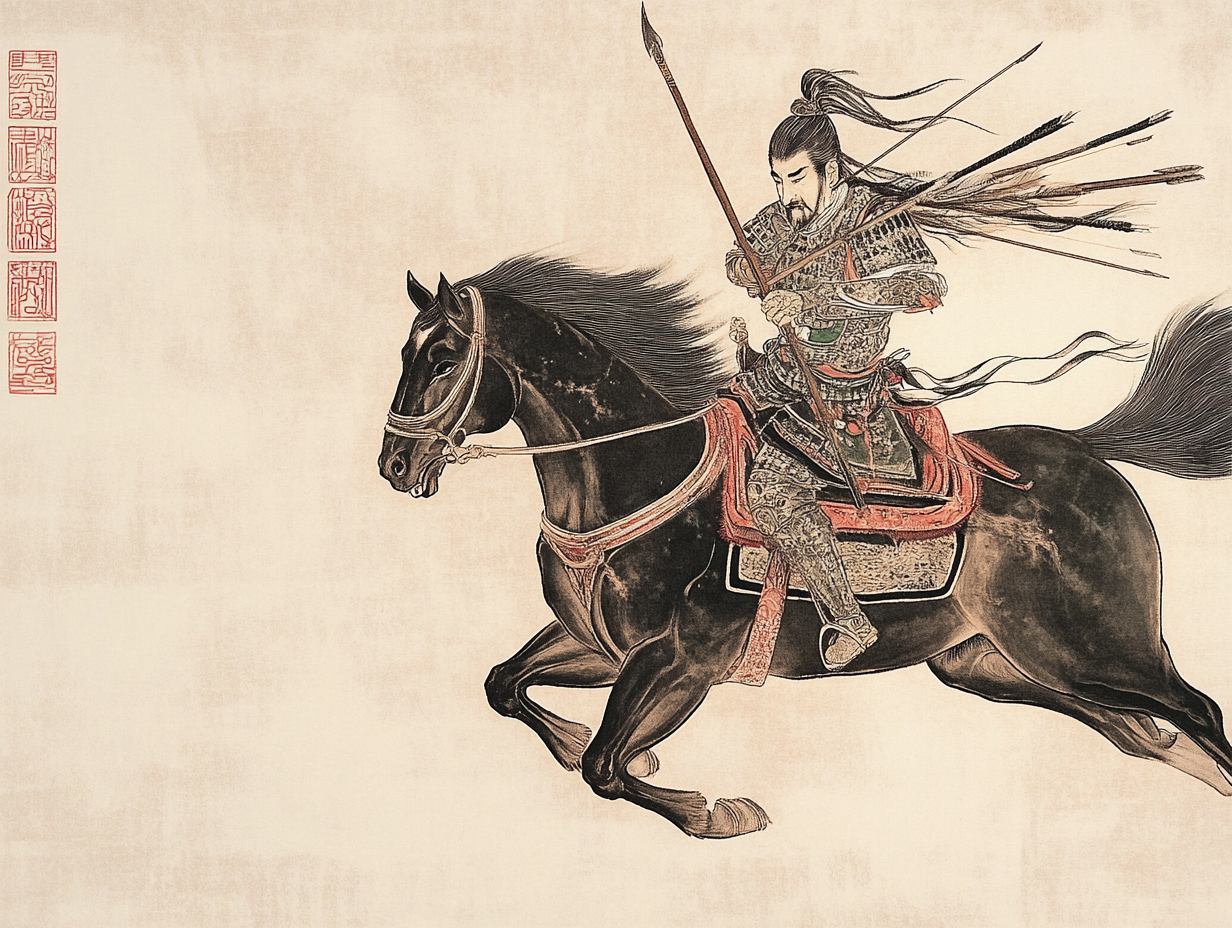
Sun Tzu on how the flow gets strong
“When torrential water tosses boulders, it is because of its momentum.” — Sun Tzu
In a business, the heaviest obstacles aren’t usually moved by brute force. They’re moved by momentum. Like water gaining strength as it flows, momentum builds over time and starts to carry things that looked unmovable when you were standing still.
The hardest part of any challenge is starting from a standstill. Without momentum, every action feels uphill. With it, each step builds on the last. Lose it and you’re starting over again and again, burning time and energy just to get back to where you were. For more on the idea, I’d put Jim Collins’ Turning the Flywheel in your hands.
Momentum doesn’t usually happen by chance. The good kind is built through consistent action, focused effort, and the willingness to adjust when things don’t go the way you planned. Here’s how to build it.
Small actions create big impact
Momentum usually starts with small, intentional steps. Not grand gestures. It can feel like small actions can’t make a difference. They build the foundation for the bigger thing.
A café I know was struggling to attract customers during weekday afternoons. The owner noticed that local professionals were working remotely but didn’t have many places to focus. Instead of overhauling their marketing, they launched a “Quiet Work Afternoon”: free Wi-Fi, reserved seating, light snacks. Slowly, the café became the go-to spot for remote workers. Each new customer brought referrals and repeat visits. An underused time slot turned into a profitable one.
The challenge: identify one slow period in your business. Find one small, low-risk action you can put in motion this week.
Consistency is the engine
Momentum thrives on consistency. Bursts of energy create short-term results. Steady, ongoing effort builds something that lasts.
A bookstore I worked with started a Saturday-morning storytime. Early turnout was disappointing. The owner doubted whether to continue. She stuck with it. Word spread. Parents told friends. Kids started looking forward to each week’s story. Six months later it had become a cornerstone of the bookstore, with measurable lift in children’s book sales and a steady stream of foot traffic.
The challenge: pick one area where consistency has been a struggle. Commit to steady action for ninety days. Track the results.
Celebrate progress to build confidence
Big goals feel overwhelming. Celebrating small wins along the way keeps energy and motivation high. It reminds you and your team that the work is paying off.
A café owner I worked with had a problem with wait times during the morning rush. She set a goal to improve. Instead of waiting for the final outcome, she celebrated each milestone. When the team got wait times down by two minutes, they marked it with breakfast for the staff. Small celebrations kept morale high. The team kept improving.
The challenge: break a big goal into smaller milestones. Plan how you’ll celebrate each one.
Adapt when progress stalls
Momentum doesn’t mean sticking with a failing plan. The willingness to adjust is what keeps forward motion alive.
A pastry shop I know launched a gluten-free line. Initial sales were slow. The owner could have shelved it. Instead she gathered customer feedback, tweaked recipes, and partnered with a local health-focused grocery store. Within three months, gluten-free items accounted for 15% of sales.
The challenge: look at one area where progress has slowed. What change or pivot would reenergize the effort?
Double down on what you do best
Momentum builds fastest when you focus on your strengths. Trying to do too much at once spreads your effort thin and slows everything down.
A small inn was marketing itself as everything at once: romantic getaway, family-friendly destination, corporate retreat venue. The scattered positioning made it hard to stand out. The owner shifted focus to her strongest offering — wellness retreats — built specialized packages, and targeted a specific audience. Bookings increased. The inn became a leader in its niche.
The challenge: reflect on your business’s core strengths. What’s one step you can take this month to concentrate resources in that area?
Relationships multiply momentum
Momentum accelerates when you build strong relationships with your team, your customers, and your community. Collaborations and partnerships amplify your efforts and expand your reach.
The same café from earlier partnered with a local ceramic artist to make custom mugs for the loyalty program. The partnership delighted regulars and introduced the café to the artist’s audience. The mugs became a conversation starter, and sales grew steadily because customers were sharing photos and stories about them.
The challenge: identify one person or business you could collaborate with to expand your reach. Reach out this week with a specific idea.
Measure what matters
Momentum only works if it’s moving you in the right direction. Tracking progress keeps you honest about whether the effort is paying off.
The bookstore owner from earlier tracked attendance and sales at every storytime event. The data showed events with local authors and family-friendly themes performed best. She refined the event calendar and the promotional strategy around what was actually working.
The challenge: pick one metric that lines up with your goals. Commit to tracking it for the next thirty days. Use the data to refine your approach.
Your next move
Momentum isn’t something you wait for. It’s something you build. Through consistent action, focused effort, and a willingness to adapt, you can create the force needed to move things that look immovable today.
Take one small action this week to start. Commit to consistent effort in one key area for the next ninety days. Celebrate progress along the way. Track your results and refine.
Every small step builds momentum. Every ounce of momentum gets you closer.
About the Author
Ron Tester is a physical therapist with thirty years in the field. He built, grew, and operated a multidisciplinary home health company employing PTs, OTs, and SLPs through a successful exit. He now coaches outpatient PT, OT, and SLP clinic owners on operating at the owner level. Certified Executive Coach and Book Yourself® Solid Coach. Learn more at https://www.rontestercoaching.com/about.