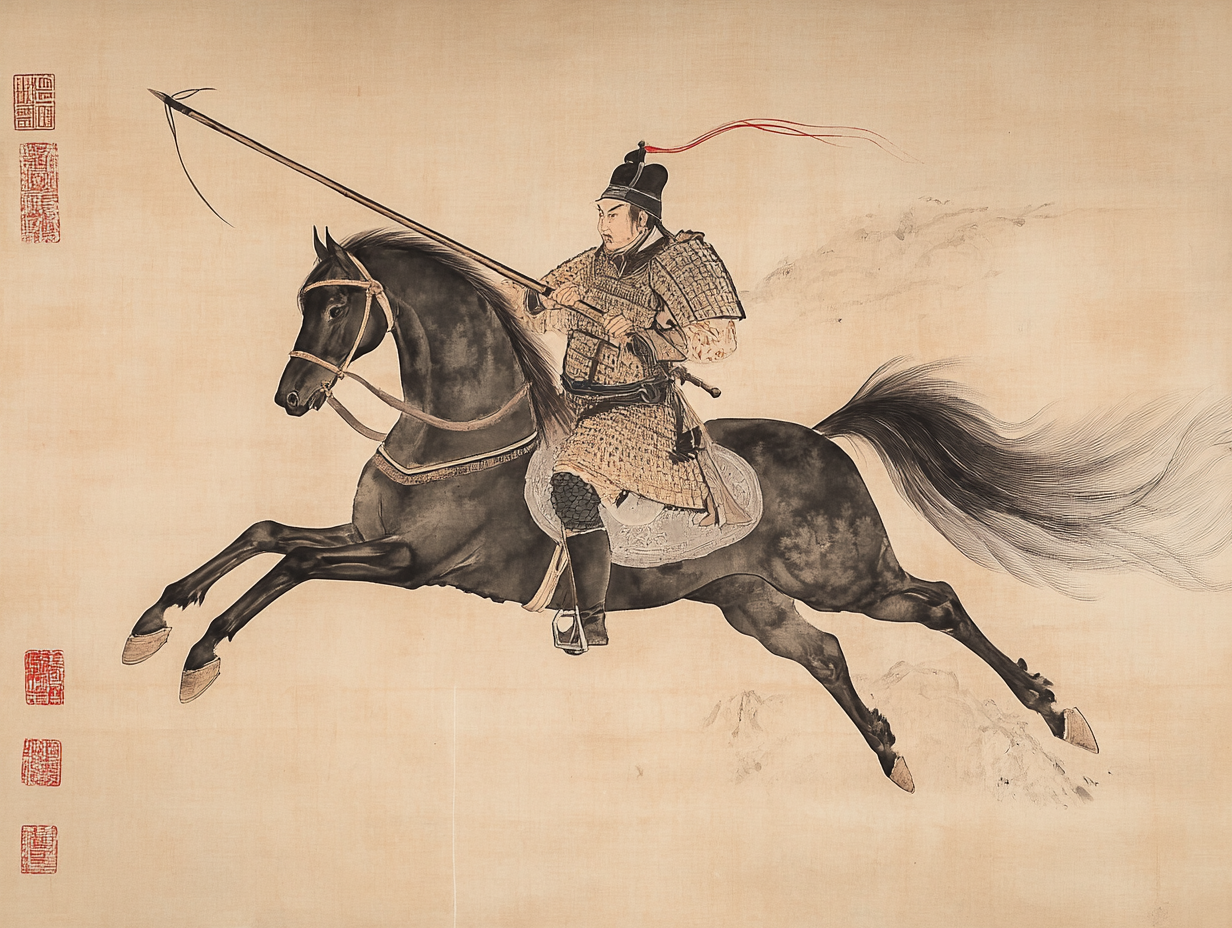
Sun Tzu on moving when the moment is there
This morning I was reading The Art of War and one quote stood out:
“What is of the greatest importance in war is extraordinary speed; one cannot afford to neglect opportunity.”
Simple idea. Big implications for a small business. Acting quickly and decisively often makes the difference between capturing an opportunity and watching it slip away.
For small businesses, being nimble is one of the biggest advantages over larger competitors. Speed doesn’t mean acting recklessly. It means recognizing the right opportunities and being prepared to move when they show up.
Opportunities are everywhere if you act quickly
Picture a small-town bakery. The local holiday parade is coming. Families will be lining the streets, looking for snacks and drinks. The owner could prepare festive grab-and-go boxes — cookies, muffins, hot drinks — and meet a need that’s clear and time-sensitive. Acting quickly captures a moment that won’t repeat for a year.
These kinds of opportunities, tied to seasonal events, local trends, or customer feedback, require speed. Waiting too long means missing them entirely.
Why speed matters
Quick, decisive action lets small businesses use their agility to outpace competitors.
Fill gaps in the market. Larger businesses often overlook niche opportunities or are too slow to address them. The bakery offers pre-made breakfast boxes for holiday mornings — croissants, muffins, coffee — while the national chain nearby sticks to its regular menu.
Respond to trends. Spotting and reacting quickly keeps you relevant and builds trust. As soon as customers start craving holiday flavors, introduce a gingerbread scone or a cranberry-orange latte. Meet the demand while it’s still fresh.
Speed isn’t just about being first. It’s about staying responsive, relevant, and tuned to what your customers actually need.
Prepare to act fast
Quick action works best when paired with thoughtful preparation.
Streamline your core offerings. A flexible menu built around ingredients you already stock lets you adapt without complicating inventory. If you already use chocolate and marshmallows for cookies, you can quickly create hot cocoa-inspired treats without adding new ingredients.
Develop plug-and-play specials. Build a system for limited-time offerings that can be easily customized for seasonal or event-specific demands. A rotating “seasonal scone” — cranberry and orange zest in winter, lemon and blueberry in spring — keeps the menu fresh.
Anticipate high-demand events. Look ahead to predictable opportunities. Holidays. Festivals. Plan how your business shines in those moments. Before the parade, prepare the festive snack boxes. Be ready to serve crowds with minimal stress.
Build relationships with suppliers. Work with vendors who can deliver specialty ingredients on short notice. Instead of keeping almond flour stocked year-round, establish an agreement with your supplier for expedited delivery when demand spikes.
Empower your team to act within boundaries
Empowering employees doesn’t mean letting them make every decision. It means giving them clear guidelines so they can act quickly without disrupting operations.
Set decision-making boundaries. Define what employees can handle on their own and when they need to escalate. Staff can approve custom orders up to ten pies or create simple gift bundles. Larger or more complex requests go through you.
Provide pre-approved solutions. Train the team on ready-made options they can offer customers without hesitation. Pre-packaged holiday treat boxes. Substitutions for sold-out items.
Train for feasibility. Teach the team to assess whether a request lines up with your current capacity. Check inventory. Set realistic expectations. Escalate only when needed.
Learning from missed opportunities
No one captures every opportunity. What matters is learning from the ones you miss.
Reflect on what held you back. Hesitation. Lack of preparation. A slow decision process. Last year you missed the chance to promote holiday cookie decorating kits early, which could have boosted pre-orders. This year you set a launch date, prepare inventory, and promote ahead of time.
Use data to improve. Analyze what didn’t work and put systems in place to avoid the same mistakes. If you underestimated demand for holiday breakfast boxes, adjust your forecasting for next year.
Missed opportunities aren’t failures. They’re lessons.
Practical steps to act faster
Plan for predictable needs. Look ahead to upcoming events or seasons. Assemble DIY cookie kits ahead of time to sell as holiday party favors or stocking stuffers.
Train employees to handle small decisions. Empower the team to make quick, customer-focused choices within defined boundaries.
Test ideas before committing fully. Start small with new products or promotions to gauge interest. Offer a limited batch of holiday breakfast boxes for one weekend. Use customer feedback to decide whether to expand.
Ready for the next opportunity
Sun Tzu reminds us that success often comes down to timing. It doesn’t usually come from grand gestures. It comes from moving quickly on the right ideas at the right time.
This week, where are you missing chances to move? Planning ahead for seasonal demand. Empowering your team to act. Testing a new idea. Small changes have a big impact.
Opportunities rarely wait. With a little preparation and a clear plan, you’ll be ready when they show up.
About the Author
Ron Tester is a physical therapist with thirty years in the field. He built, grew, and operated a multidisciplinary home health company employing PTs, OTs, and SLPs through a successful exit. He now coaches outpatient PT, OT, and SLP clinic owners on operating at the owner level. Certified Executive Coach and Book Yourself® Solid Coach. Learn more at https://www.rontestercoaching.com/about.